SEO News: October 2026

Martin Hill
October’s developments in the world of SEO were more like a sprint toward artificial intelligence, with Google stepping on the gas while simultaneously trying to keep a firm grip on the steering wheel. Not only has it tightened the rules for AI content and its evaluation, but it also appears to be actively influencing the data for AI tools and rank trackers behind the scenes. This effectively changes the rules of the game for measuring performance and building content going forward.
Google Tightens Rules for AI Content: Manual Review Required
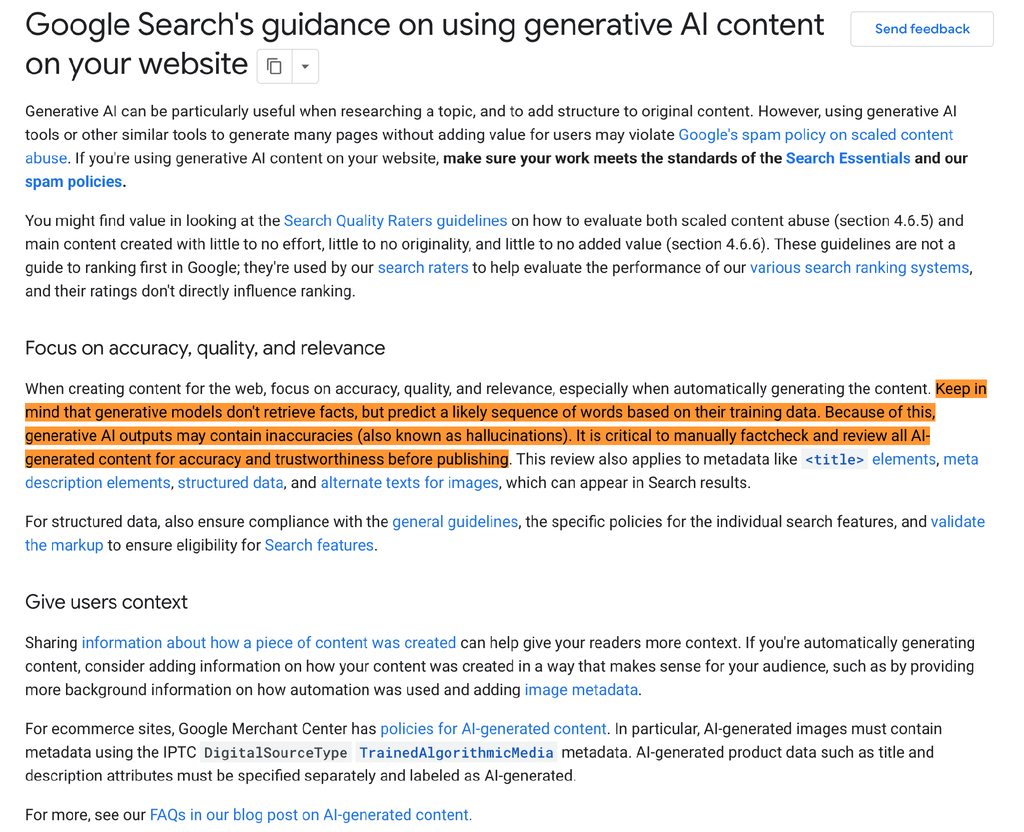
Google has updated its guidelines for the use of generative AI content and has identified manual review as critical.
- Characteristics of AI: Generative models predict words rather than search for facts.
- Consequence: Generative AI outputs may contain inaccuracies, known as “hallucinations.”
- Reason for the update: This change aligns the documentation with presentations from developer events.
Thorough manual review and verification of content generated by artificial intelligence is essential to ensuring its accuracy and credibility.
Google Clarifies: Main Content and New Quality Rating Factors
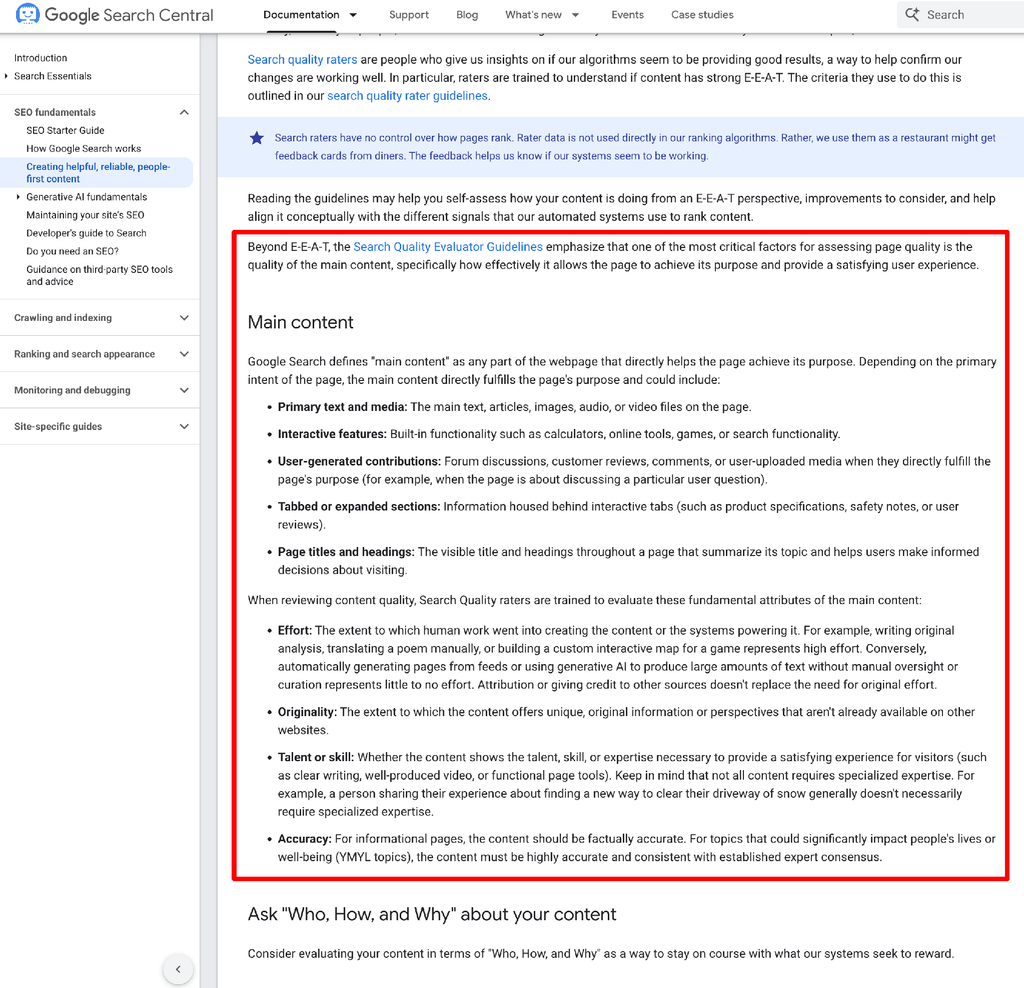
Google has updated its guide to creating useful content, emphasizing the critical importance of main content to a page’s quality.
- Definition: Primary content includes text, media, interactive elements, user-generated content, and page titles.
- Evaluation: The effort, originality, talent/skill, and accuracy invested in the main content are evaluated.
An emphasis on the quality of the main content—as reflected in its originality, effort, and accuracy—is becoming a key criterion for evaluating a page's relevance.
Insights from Google Search Central Live: How Search and the Role of Data Are Changing
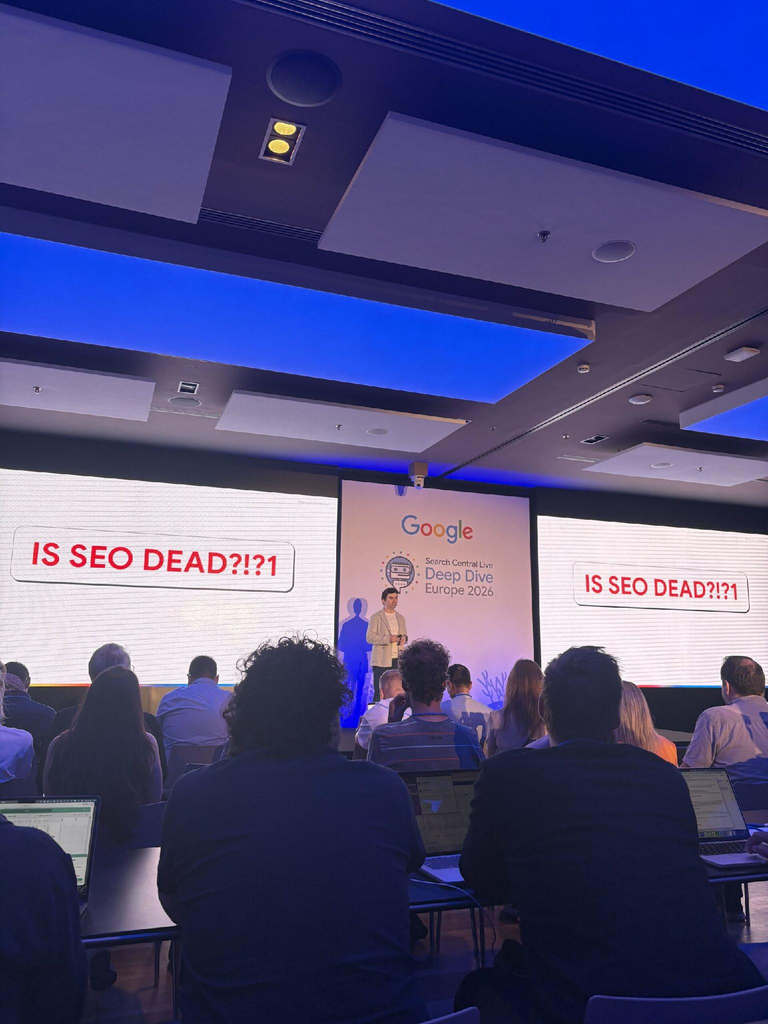
At the Google Search Central Live Deep Dive Europe 2026 event, experts shared a number of insights on current search trends and the future of AI.
- Structured Data: Implementing recipe structured data on Rakuten Recipes led to a 2.7x increase in traffic and a 1.5x longer session duration.
- AI Search: The average query in AI mode is 3x longer than a traditional query; queries with 5 or more words are growing 1.5x faster.
- AI content: Google does not distinguish between AI-generated content, but its ML systems are trained on human language.
Efforts focused on structured data and tailoring content to longer, conversational queries are key to gaining visibility in AI search.
September 2026 Spam Update Complete: It Took an Unexpectedly Long Time
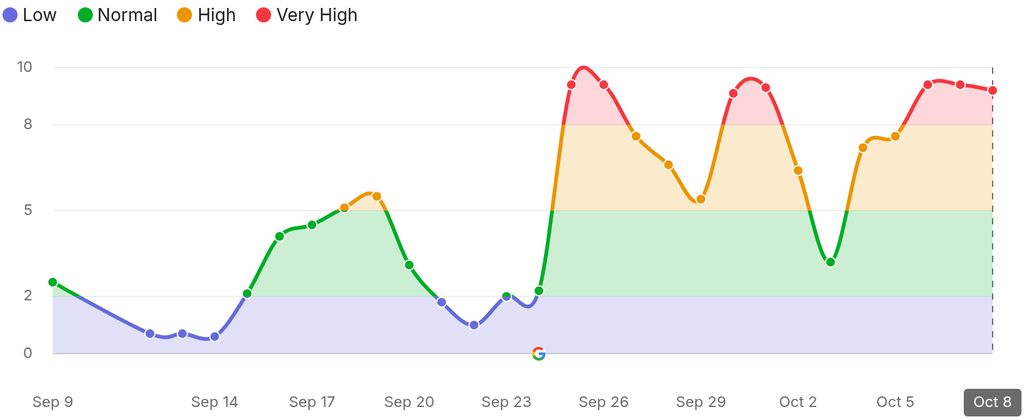
Google announced the completion of the September 2026 spam update. Its rollout took an unusually long two weeks, even though it was a standard spam update.
- Time frame: The update took place from September 24 to October 8, 2026.
- Scope: It affected all regions and languages globally.
- Goal: It targeted websites violating Google’s spam policies, not link spam.
Strict compliance with Google's spam policies is essential for long-term ranking stability, even with routine updates.
ChatGPT: GPT-6 and the Intelligent UI
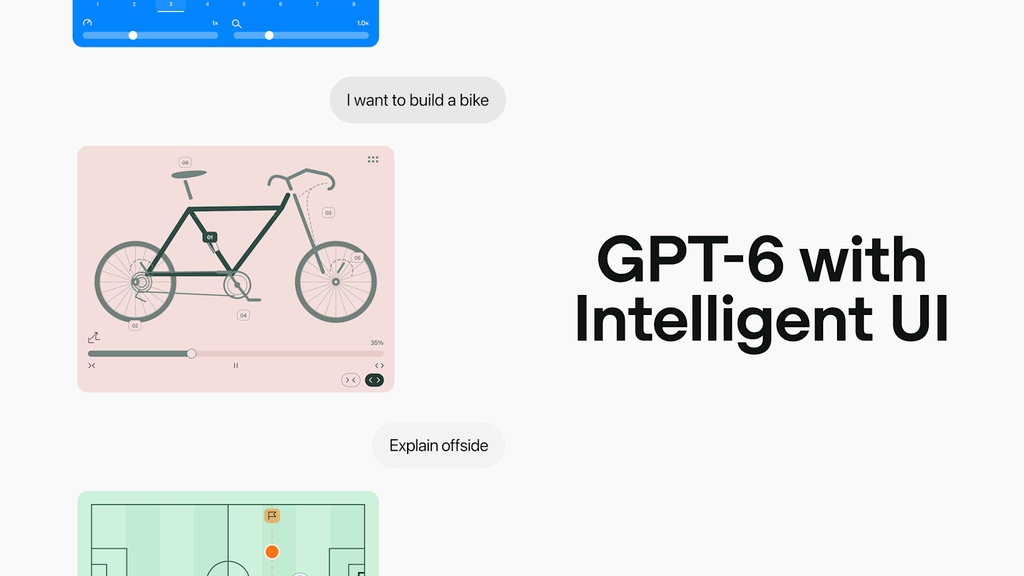
ChatGPT is rolling out new GPT-6 models, which bring the key Intelligent UI feature with an interactive interface to more than 1.2 billion users.
- Intelligent UI: Enables interactive responses with graphics, buttons, and forms, and creates tools.
- Speed: GPT-6 Instant responds, on average, 44% faster to web search queries.
- Performance: GPT-6 Extra High has a better overall score than GPT-5.6 Extra High at the same initial speed.
The way users interact with AI and obtain information is evolving toward more customizable and interactive interfaces.
Nozzle Research: Google Manipulates SERP Data for Rank Trackers
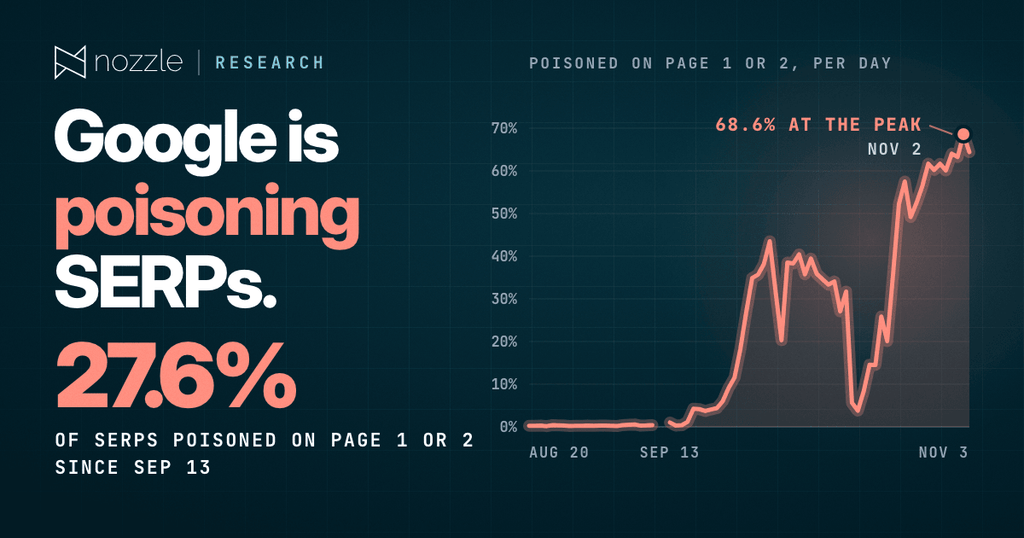
Nozzle Research has revealed that, since mid-September, Google has been artificially altering the search results (SERPs) provided to rank tracking tools. By doing so, it is intentionally making data scraping more difficult, likely in response to AI models.
- Average Impact: Since September 13, an average of 27.6% of SERPs (pages 1 or 2) have been affected by intentional changes.
- Peak: The situation was at its worst on November 2, when 68.6% of SERPs were altered, with page 2 being affected 1.5 times more often.
- Content changes: The affected SERPs contained only 30.0% of the original websites, which were often replaced by social media sites.
Tracking rankings using rank trackers is becoming less reliable, which requires caution when interpreting visibility data.
Google is systematically "spamming" SERP results for AI and rank trackers
Since September 2026,Google has been returning significantly different search results to rank tracking tools, which Nozzle, based on millions of SERPs, refers to as “poisoned” SERPs.
- Reason: The goal is to make it more difficult to train large language models (LLMs) using data from Google.
- Scope: The global impact reached 8% of cases, peaking at 27%, and even reaching 13.8% in some countries.
- Impact on tools: Tools such as Ahrefs and DataForSEO are heavily affected, while Semrush and AccuRanker have seen an increase in the number of affected SERPs.
The reliability of data from traditional rank tracking tools is currently significantly reduced, which calls for more thorough verification of results and consideration of alternative data collection methods.
Google Gemini Adds UTM Parameters for More Accurate Link Tracking
Google has quietly begun adding UTM parameters to outbound links from Gemini to enable more accurate traffic attribution.
This move is a response to growing frustration over the difficulty of measuring traffic from AI search.
- A problem with tracking: Traffic from AI chatbots like Gemini was often reported as “direct” in tools like GA4.
- Advantage of UTM: UTM parameters survive in-app webviews and Android Assistant calls, where standard referrers often fail.
- Unknown Details: The conditions for triggering UTM parameters in Gemini are currently undocumented and not fully understood.
More accurate attribution data from AI channels will make it possible to better assess their value and allocate resources to artificial intelligence more effectively.
Microsoft Clarity: Customize Brand Terms for More Accurate AI Visibility Measurement
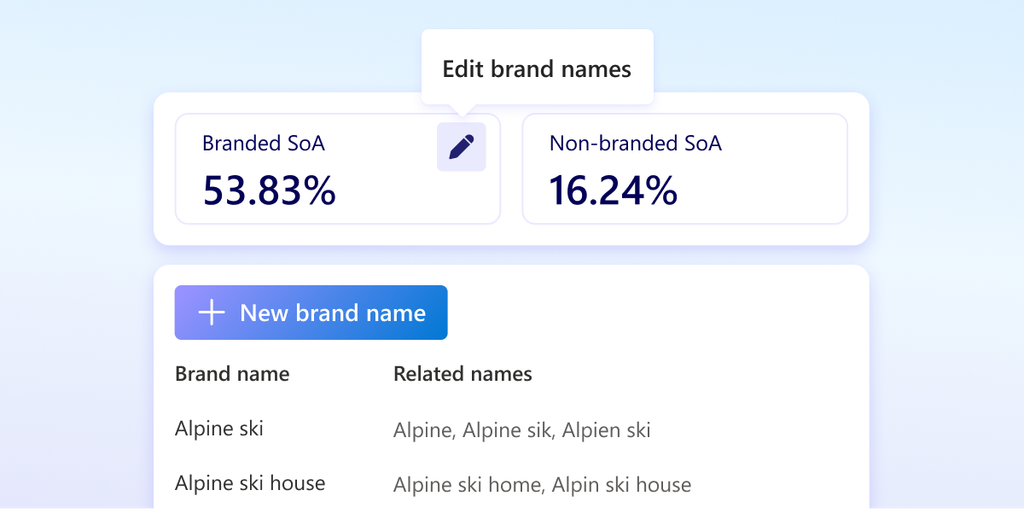
Microsoft Clarity now offers users the ability to customize the Brand Terms it uses to classify branded queries within its AI Visibility dashboard.
- Administration: You can add, edit, or remove Brand Terms in the AI Visibility settings.
- Brand Variants: You can include abbreviations, alternative spellings, localized names, and typos.
- Organization: Related Brand Terms can be grouped under a single Brand Name for easier management.
More precise segmentation of queries allows for a more detailed analysis of how users discover and search for brands in an AI environment.
Google Search Console: Performance Overview for Multiple Countries at Once
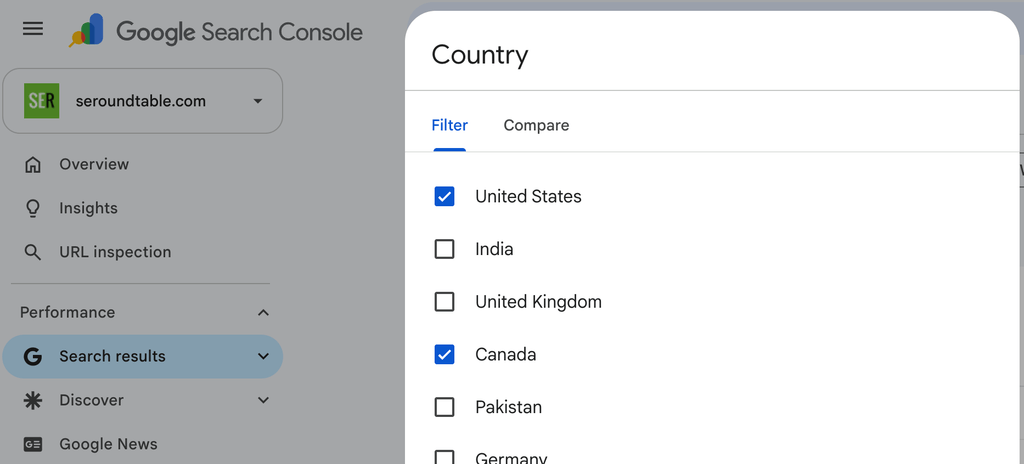
Google has announced an update to the filters in Search Console’s performance reports, allowing users to analyze data patterns across multiple countries.
- Country Filter: You can now select and combine data from multiple countries for joint analysis.
Easier aggregation of search performance data across regions simplifies strategic decision-making for multiregional websites.
Google Launches Program for Fresh User-Generated Data
Google Search recently introduced its UGC Fresh Data Program, which focuses on fresh user-generated content.
The growing emphasis on the timeliness and relevance of user-generated content is becoming increasingly apparent.
Source: https://searchengineland.com/google-search-disclosed-its-ugc-fresh-data-program-494493
Bing Webmaster Tools: New Topics Portfolio for AI Search Analysis
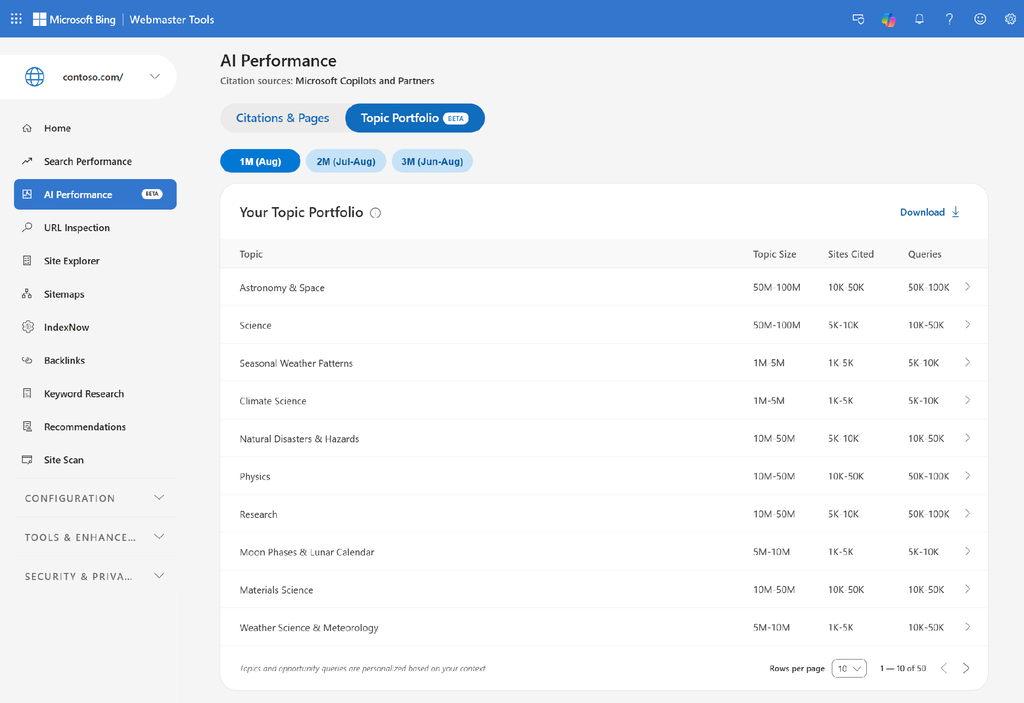
Bing Webmaster Tools has announced a new beta feature, Topics Portfolio, which visualizes the thematic focus of a website’s presence in AI Search.
- Topic: This feature groups queries in which the website appears in AI responses into broader thematic categories.
- Overview: Provides an overview of the website’s distribution across topics, their size, competitiveness, and growth potential.
- Opportunities: Identifies high-potential search queries across the portfolio where the website does not currently appear but has potential.
Data on topic coverage and gaps in AI Search now help with more targeted content strategy planning.
Google Explains robots.txt: Rules for Crawlers and AI
In the second episode of the Non-Canonical Cabinet series, Google —through Gary Illyes and Cherry Prommawin—explained what the robots.txt file can and cannot actually do, focusing on its proper use and limitations.
- Standard: The robots.txt file must strictly comply with the RFC 9309 Internet standard.
- Characters: Percent-encoding must be used for non-English characters and emojis in rule paths.
- AI crawlers: Robots.txt rules only control access; they do not affect the subsequent use of data for training AI models.
Correct syntax and adherence to robots.txt standards are essential for effectively managing crawler access, which also includes distinguishing between crawl management and AI training policies.
Source: https://www.seroundtable.com/google-video-robots-txt-rules-42355.html
Sources
- https://www.seroundtable.com/google-updates-ai-content-guidelines-factcheck-review-42217.html
- https://www.seroundtable.com/google-helpful-content-main-content-and-eot-sa-42218.html
- https://digitaloft.co.uk/insights/google-search-central-live-deep-dive-2026-summary
- https://www.seroundtable.com/google-september-2026-spam-update-done-42235.html
- https://openai.com/index/gpt-6-for-everyone/
- https://nozzle.io/research/poisoned-google-serps/
- https://brodieclark.com/poisoned-google-serps/
- https://www.searchenginejournal.com/google-gemini-adds-utm-parameters-for-referral-attribution/591754/
- https://clarity.microsoft.com/blog/customize-brand-terms-ai-visibility/
- https://www.seroundtable.com/google-search-console-performance-report-country-filters-42241.html
- https://searchengineland.com/google-search-disclosed-its-ugc-fresh-data-program-494493
- https://blogs.bing.com/webmaster/2026/10/introducing-topics-portfolio-beta-in-ai-performance/
- https://www.seroundtable.com/google-video-robots-txt-rules-42355.html
Martin Hill
Martin has been doing SEO since 2012. When he’s not in the woods, on his bike, or with a fishing rod by the water, he’s the head of the Keypers SEO team, where he’s been since 2017. Starting out on his own websites, he now focuses on strategy, technical SEO and project management. He enjoys finding ways to do things better — whether it’s processes, deliverables, or connecting SEO to other channels. SEO is a strategic detective for him — finding what’s not working, understanding the context and designing a solution that makes business sense.