SEO News: September 2026

Martin Hill
September 2026 at a Glance: Artificial intelligence takes further steps into search. New models: GPT‑6 Astra and Gemini 3.8 Flash. AI Dominance Overviews. New visual content reports on Google. There was a lot to cover, so we’ve selected the most interesting highlights — and we wish you a wonderful fall!
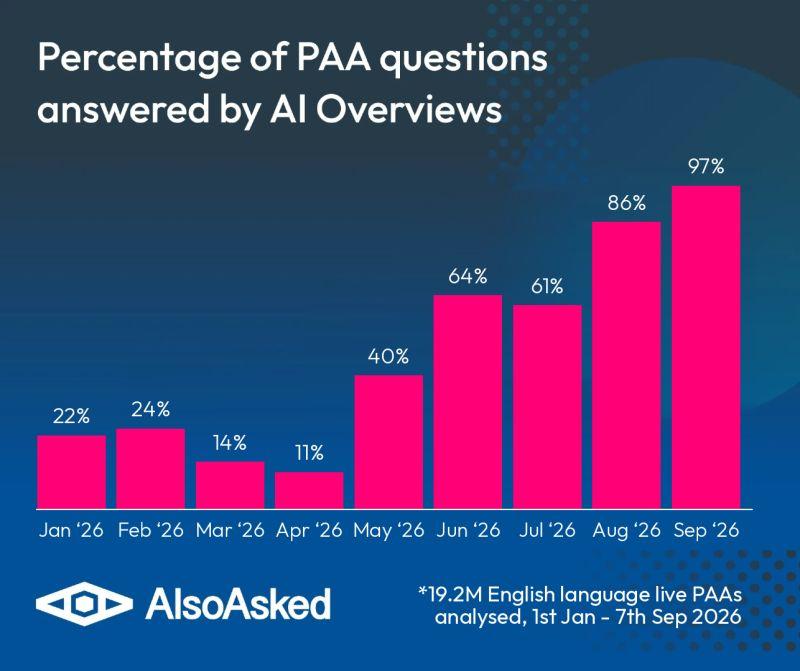
AI Overviews Dominate Google PAA: Data from 2026 Shows Nearly 100% Coverage
Google is approaching nearly 100% coverage of the "People Also Ask" (PAA) sections with AI-generated Overviews, as confirmed by findings from Saeed Khosravi of Allintitle and an analysis of data by Mark Williams-Cook of AlsoAsked.
- Allintitle data: Shows 100% of AI-generated PAA responses in its data from August 2026.
- AlsoAsked data: Based on a sample of 19.2 million English queries from 2026, 97% of AIOs were recorded during the first week of September.
- A Significant Increase: Fourteen months ago, AI-generated responses accounted for only about 12% of the total in the PAA.
This change reinforces the importance of precise and straightforward answers to frequently asked questions, which are easy for AI models to process.
Google Search Console Expands AI Reports and Controls
Google is expanding Search Console with AI performance reports and introducing global controls for generative AI in search.
- Reports: New reports show how a website is performing in Google's AI-powered responses.
- Check: Generative AI control options are being rolled out globally.
Thanks to these new tools, it will be possible to better analyze and optimize how content interacts with generative AI search features.
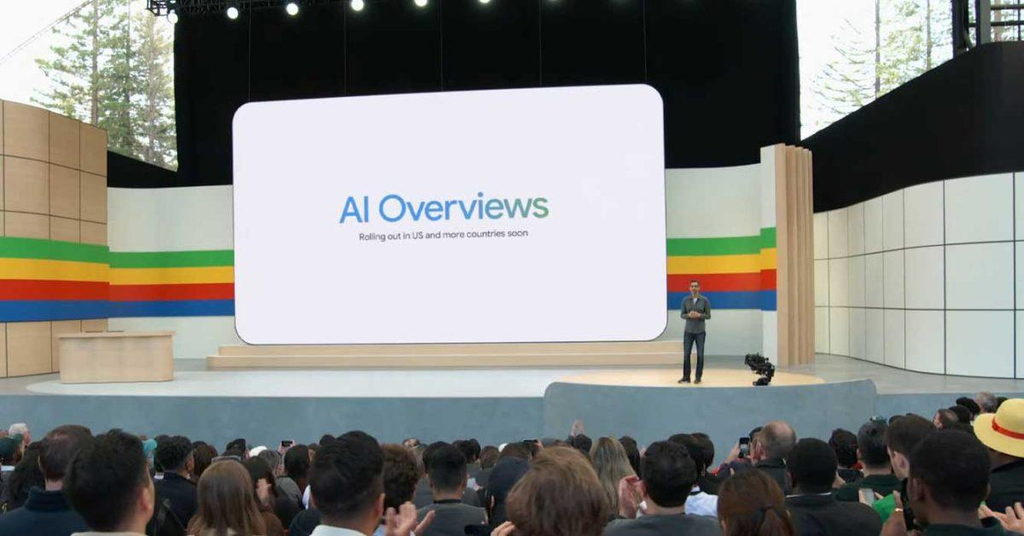
Google Is Testing Payments to Publishers for Content in AI Overview
Google is launching a new pilot program called the "AI Contribution Pilot," in which it is directly testing payments to websites and publishers for content used in AI Overview and other AI results. Digiday has confirmed that dozens of publishing sites are participating in the test.
- Program Objective: Websites become eligible for earnings if their content contributes significantly to AI responses.
- Participants: The pilot program focuses primarily on small and medium-sized publishers—and by no means only news websites.
This pilot program suggests a possible shift in content monetization, where payments from AI platforms are becoming an alternative to the traditional flow of organic traffic.
Europe Is Losing Free Product Listings on Google
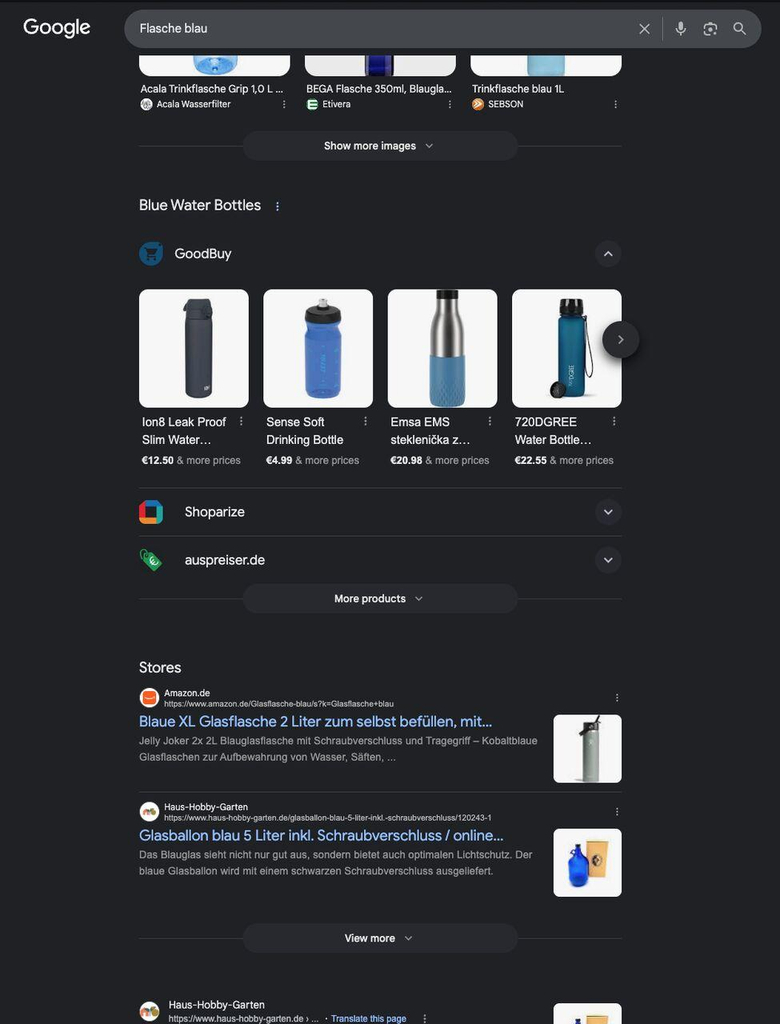
Google has confirmed the discontinuation of free product listings and carousels in search results within the European Economic Area (EEA).
This is a direct response to a European Commission regulation under the Digital Markets Act (DMA).
- Shift: The space previously occupied by Google's free search results is now filled by price comparison services (CSS/VSS).
- Scope: The observed decline in organic “popular products” blocks in EEA countries ranges from 90 to 100 percent.
The opportunities for achieving organic visibility for products in EEA countries are changing significantly, which will impact local e-commerce strategies.
Google Warns of Poorer Search Quality in Europe
Google warns of a possible decline in the quality of search results, which it is implementing in Europe in an effort to avoid fines from the European Union.
- Impact on Quality: Google expects a decline in search quality following the changes.
- Geographic scope: The changes affect search results in Europe.
- Reason for the changes: The revision is being carried out due to EU regulations and in an effort to avoid fines.
A potential decline in the relevance of search results in Europe suggests that organic visibility will require increased attention and adaptation to the new format of SERPs.
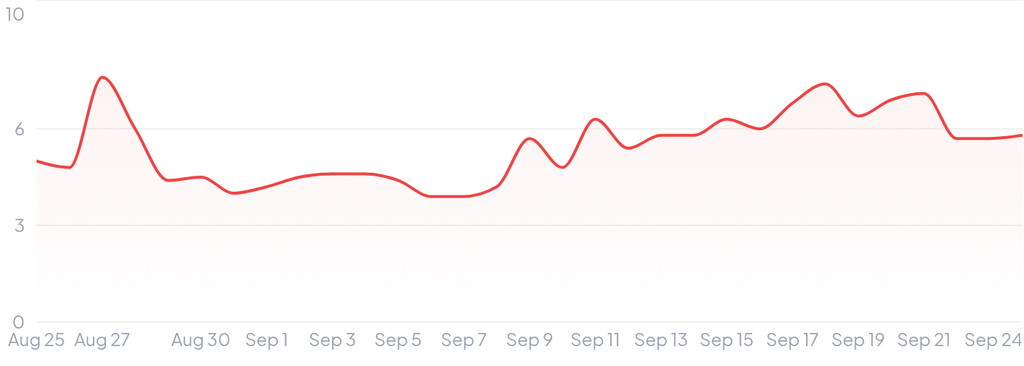
Google has deployed its September spam update; the rollout will take up to two weeks
Google announced the launch of the September 2026 spam update, which—unlike previous updates—is expected to take up to two weeks to roll out and will affect websites around the world.
- Launch Date: The update went live on September 24, 2026, around 12:00 p.m. ET.
- Targeting: Affects websites that violate selected Google spam policies.
- Restoring positions: It may take several months to mitigate the effects.
The extended rollout period of the update suggests that search volatility will persist for a longer period of time, underscoring the importance of spam prevention.
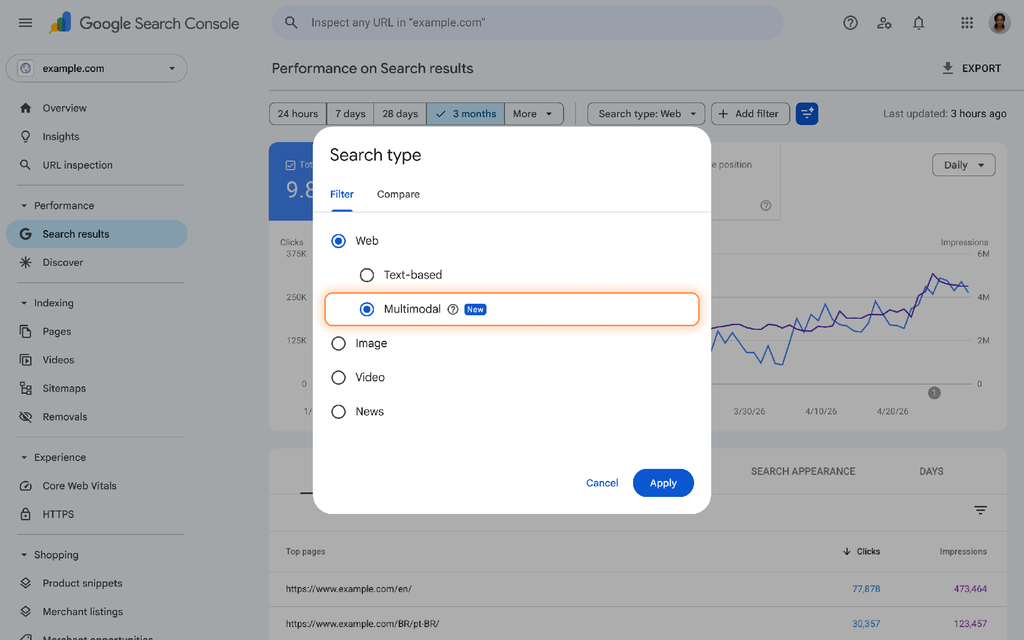
Search Console: New Reports Show How Visual Content Performs in Multimodal Search
Google is introducing new reporting features for web multimodal search in Search Console.
- Query types: The report includes searches via Google Lens, Circle to Search, image uploads, and "Search this image" in Chrome.
- Access to Data: You can access the data using the new “multimodal search type” filter in the performance reports.
- Availability: The feature is being rolled out globally, and data will begin to appear as traffic increases.
This data will enable a more in-depth analysis of the performance of visual content and its optimization for modern search methods.
Google AI Mode Reduces Click-Through Rates and User Satisfaction
The findings of a new study suggest that Google AI Mode negatively affects both the click-through rate and overall user satisfaction.
Optimizing content for search environments that incorporate artificial intelligence will require a detailed understanding of its impact on user behavior and click-through rates.
Source: https://searchengineland.com/google-ai-mode-cuts-clicks-satisfaction-study-490494
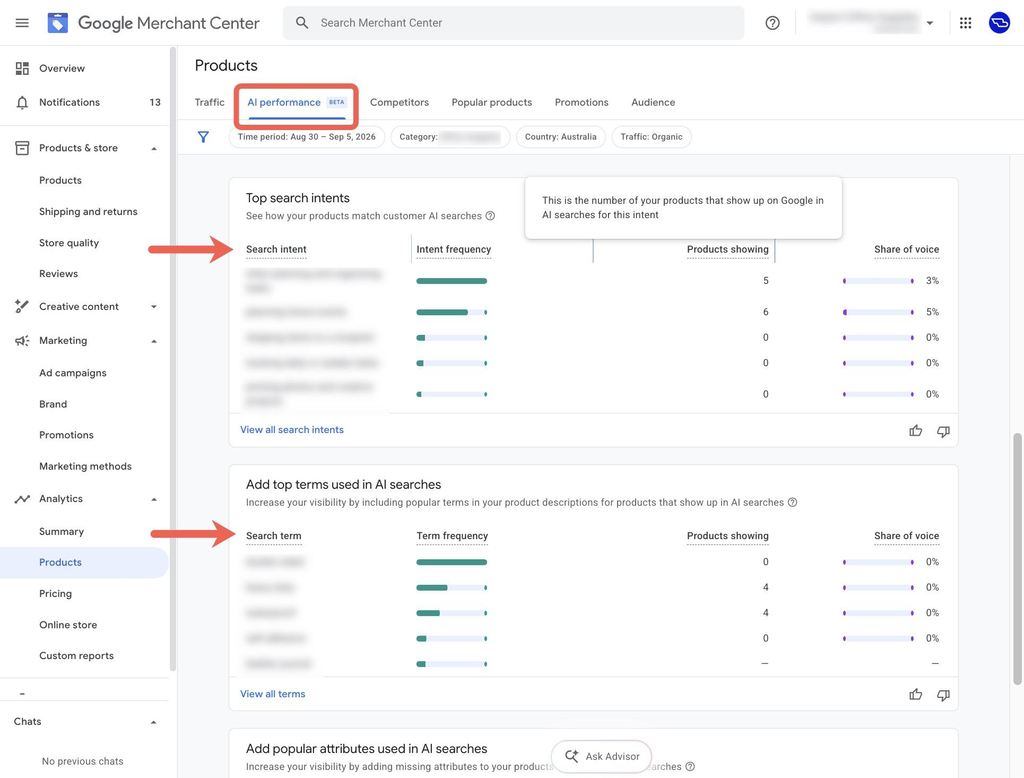
Google Expands Merchant Center's Shopping Features, AI Metrics, and Direct Purchase Options
Google is expanding the functionality of its Merchant Center, introducing new AI metrics and direct purchase options, as detailed in the articles at www.seroundtable.com and www.searchenginejournal.com, as well as in Brodie Clark’s post on X.
- AI Metrics: Google Merchant Center now offers AI Performance Insights to help optimize products, including AI Search Intent reports, AI Search Terms recommendations, and AI Attributes suggestions to increase visibility.
- UCP Direct Purchases: Google automatically integrates products for direct purchases within Google (e.g., Google Search AI Mode, Gemini) via the Universal Commerce Protocol (UCP) using Google Pay. These features are rolling out in the U.S. and will gradually expand to Australia and Canada early next year.
- Analytics and Merchant Choices: The new UCP Analytics Reporting dashboard provides an overview of the purchasing process, allowing merchants to redirect customers from Google to their website to complete a purchase, or to manually disable UCP’s direct purchasing feature.
The expansion of Merchant Center’s capabilities—including AI metrics and direct purchases—is transforming the way businesses sell and interact with customers within the Google ecosystem, which requires active management and strategic adaptation of e-commerce platforms.
Google Trends: New category filters for a more detailed overview
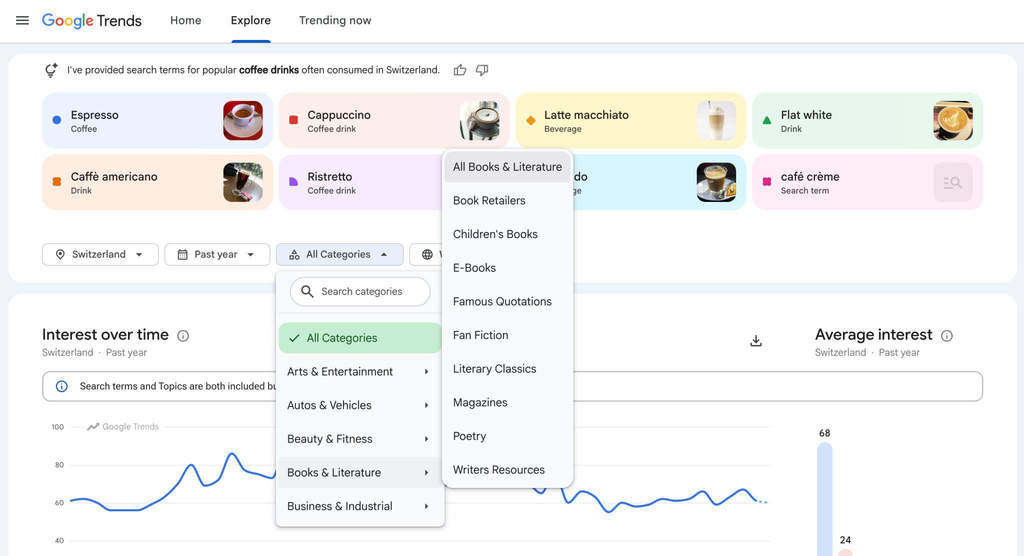
Google announced the introduction of new category filters in Google Trends, specifically on its updated Explore page.
- More Detailed Data: Filters allow you to refine trend data for specific categories.
- Term Discovery: You can filter even without entering a query to find the most searched terms in a given category.
Gaining more detailed insights into trends in specific industries provides a valuable foundation for content optimization and keyword research.
John Mueller from Google on the Disavow Tool: It Has an Impact, but Only in Limited Cases
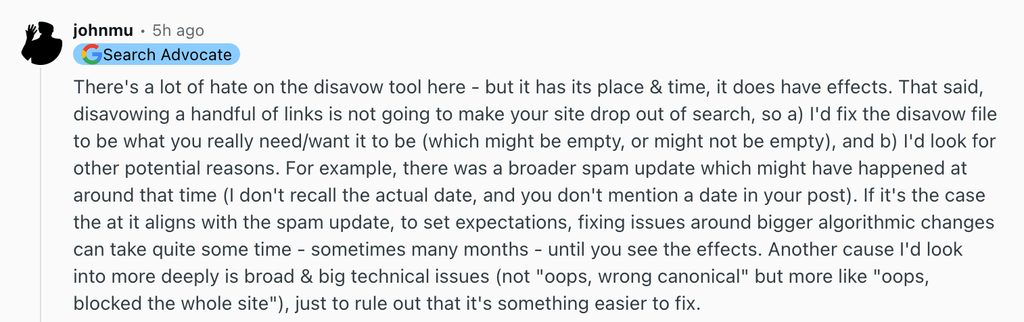
Google, through John Mueller, has confirmed that the Disavow Tool has a real impact on search results, although it recommends using it only in specific situations.
- Impact of the tool: Removing a handful of links will not cause the website to drop in search rankings.
- Target audience: This recommendation is primarily intended for websites with a history of spammy link building.
- A more in-depth analysis: When there is a decline, it is also necessary to look for possible spam updates or technical errors.
The Disavow Tool is particularly useful in clear cases of spammy link building, whereas for typical drops, it is necessary to look for other causes.
Google Introduces Gemini 3.8 Flash: Smarter AI for Coding and Security
Google announced the release of two new versions of its AI model—Gemini 3.8 Flash and Gemini 3.8 Flash Cyber. The models offer improvements in reasoning and coding while maintaining the same speed and low costs as previous versions.
- Gemini 3.8 Flash: an enhanced, versatile model featuring advances in software engineering and comprehensive multi-level reasoning.
- Gemini 3.8 Flash Cyber: specializes in cybersecurity and offers vulnerability detection and automatic fixes.
- Price: Both options are available at the same introductory price of $0.75 per million input tokens and $3.75 per million output tokens.
- Performance: The Model 3.8 Flash Cyber achieves a success rate of over 70% in detecting vulnerabilities across 20 programming languages.
- Practical application: Google teams are already using 3.8 Flash Cyber to secure Chrome's code and identify critical vulnerabilities.
Advances in AI models, particularly in the areas of code and security applications, point to the development of more sophisticated tools for managing and optimizing online infrastructure.

OpenAI Introduces GPT-6 Astra: A New Chapter in AI
OpenAI has announced the launch of its new language model, which will be called GPT-6 Astra.
Source: https://openai.com/index/gpt-6-astra/
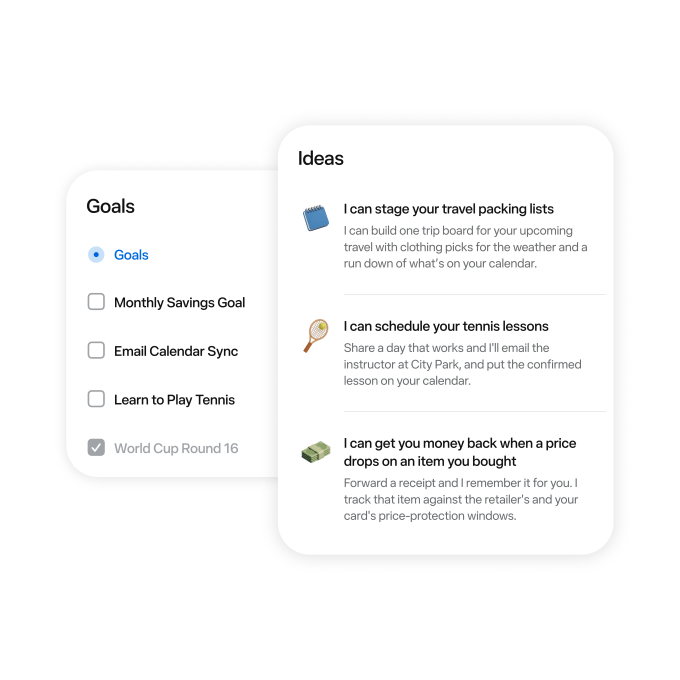
Meta Introduces Muse: An AI Agent That Integrates With Your Apps
Meta has introduced Muse, a new personal AI agent designed to help users with their daily tasks and projects. This agent requires access to the user's apps and services, such as email and calendar.
- Features: It can automate tasks such as sending emails, booking trips, or paying bills.
- Integration: It integrates with apps for email, calendar, payments, health, and other user services.
- Pricing plans: A free version is available, as well as the Power ($20/month) and Maximum ($100/month) subscription plans.
Meta faces the challenge of gaining users' trust, which will be key to the adoption of third-party agents that process sensitive personal data.
Google Business Profiles Launches the "Collected Info" Feature
Google Business Profiles is introducing a new feature called “Collected Info.”
The integration of Collected Info underscores the importance of proactively managing business profiles and monitoring all available data in local search.
Source: https://searchengineland.com/google-business-profiles-rolls-out-collected-info-488387
Microsoft Clarity: New Page Categorization Will Make It Easier to Analyze Bot Activity
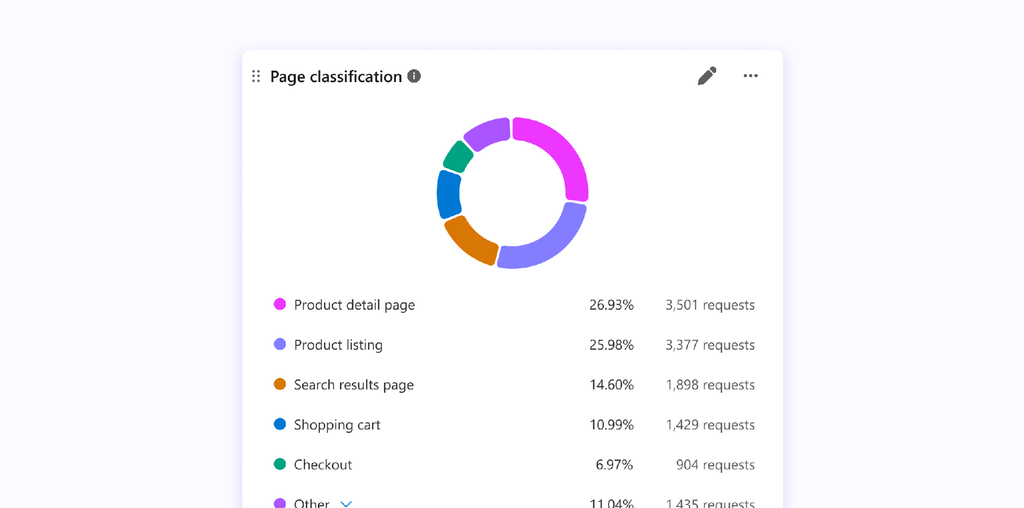
Microsoft Clarity introduces the Page Classification feature in the Bot Activity dashboard. This new feature simplifies the analysis of bot interactions on the web.
- Automatic sorting: Combines content and URL rules to identify page types.
- Group Analysis: Allows you to monitor bot activity across groups of related pages.
- Custom Categorization: You can create custom categories and add URL paths.
A better understanding of bot behavior at the site group level helps optimize the crawl budget more effectively and detect anomalies.
Sources
- https://www.seroundtable.com/ppa-ai-overviews-google-42047.html
- https://searchengineland.com/google-search-console-ai-performance-reports-and-search-generative-ai-control-rolling-out-globally-486269
- https://9to5google.com/2026/09/17/google-ai-contribution-pilot-tests-paying-websites-when-theyre-used-in-ai-results/
- https://www.seroundtable.com/google-drops-free-product-listings-eea-42113.html
- https://www.reuters.com/world/google-warns-lower-quality-it-revamps-europe-search-results-avoid-eu-fines-2026-09-08/
- https://www.seroundtable.com/google-september-2026-spam-update-42163.html
- https://developers.google.com/search/blog/2026/09/web-multimodal-in-sc
- https://searchengineland.com/google-ai-mode-cuts-clicks-satisfaction-study-490494
- https://www.seroundtable.com/google-merchant-center-ai-performance-new-42043.html
- https://www.searchenginejournal.com/google-ucp-update-lets-merchants-enable-cart-transfer-to-site/589713/
- https://www.seroundtable.com/google-native-checkout-emails-42140.html
- https://www.seroundtable.com/google-trends-filter-category-42007.html
- https://www.seroundtable.com/google-disavow-tool-effects-42004.html
- https://blog.google/innovation-and-ai/models-and-research/gemini-models/3-8-flash-and-3-8-flash-cyber/
- https://openai.com/index/gpt-6-astra/
- https://techcrunch.com/2026/09/08/meta-debuts-its-muse-ai-agent-will-consumers-trust-it/
- https://searchengineland.com/google-business-profiles-rolls-out-collected-info-488387
- https://clarity.microsoft.com/blog/bot-activity-page-classification/
Martin Hill
Martin has been doing SEO since 2012. When he’s not in the woods, on his bike, or with a fishing rod by the water, he’s the head of the Keypers SEO team, where he’s been since 2017. Starting out on his own websites, he now focuses on strategy, technical SEO and project management. He enjoys finding ways to do things better — whether it’s processes, deliverables, or connecting SEO to other channels. SEO is a strategic detective for him — finding what’s not working, understanding the context and designing a solution that makes business sense.